Cow Finance for Dairy Farms: Buy vs Lease Planning
Running a dairy farm means juggling income that rises and falls with the seasons while your costs stay stubbornly constant. Milk production peaks in spring, dips through summer and slows again over winter. Yet your feed bills, labour costs and loan repayments arrive every single month regardless
For Australian dairy farmers looking to expand or upgrade their herd, cattle finance can bridge the gap between seasonal milk income and the upfront cost of quality cows. But choosing between buying and leasing stock is not always straightforward, especially when your cash flow varies by thousands of dollars from one quarter to the next.
This guide breaks down the buy vs lease decision for dairy cows, walks you through practical cash flow planning for seasonal income and shows you how the right livestock loan structure can support your dairy operation year-round.
The Dairy Cash Flow Challenge: Why Timing Matters
Australian dairy farms operate on a seasonal production cycle that creates predictable cash flow peaks and troughs. According to ABARES dairy farm financial data, the average dairy farm cash income was around $297,000 in 2024/25, but that figure does not land evenly across the year. Most of your milk income arrives during the spring flush when production is highest.
The challenge is that your biggest expenses often fall outside peak income periods. Fodder purchases, supplementary feed, herd health programs and infrastructure maintenance all demand capital in the months when your milk cheques are at their lowest.
Dairy Australia's farm business management resources highlight that cash flow, rather than total profitability, is the metric most dairy farmers track month to month. And for good reason. A profitable farm on paper can still hit a wall if cash is not available when bills come due.
When you add a herd expansion or replacement purchase to this cycle, the financial pressure intensifies. A one-off lump sum payment for new cows in the middle of a low-income period can create a cash flow crisis, even for well-managed operations.
Buying vs Leasing Dairy Cows: What Each Option Means for Your Farm
The decision to buy or lease dairy cows comes down to how you want to manage capital, risk and long-term herd ownership. Both approaches have a place in dairy farming finance, and the right choice depends on your operation's current cash position and growth plans.
Buying Outright or With a Livestock Loan
Purchasing cows gives you full ownership from day one. You build equity in your herd, you benefit from any increase in the animal's value and you have complete control over breeding, culling and management decisions.
The trade-off is the upfront capital requirement. Even with a livestock loan, you will need to manage repayments on top of your existing commitments. For dairy farmers with strong equity and consistent income, this can be a sound approach. The cows are yours, and the long-term return on a productive dairy animal often justifies the initial outlay.
A well-structured livestock loan spreads the cost of purchasing across a manageable repayment period, aligning payments with your income cycle rather than demanding all capital upfront.
Leasing Dairy Cows
Leasing gives you access to productive animals without the large upfront purchase price. You pay a regular fee for the use of the cows, which can be easier to absorb into your monthly cash flow. This is particularly useful for dairy farmers who need to scale up quickly for a new contract or to fill a newly expanded facility.
The downside is that you do not build ownership equity. At the end of the lease term, the cows return to the lessor unless you negotiate a purchase option. You also have less flexibility around culling and replacement decisions depending on the lease terms.
Leasing can work well as a short-term strategy, for instance, when you are testing a new herd size before committing to a full purchase, or when you need to maintain production while rebuilding after drought or disease.
Cash Flow Planning for Seasonal Dairy Income
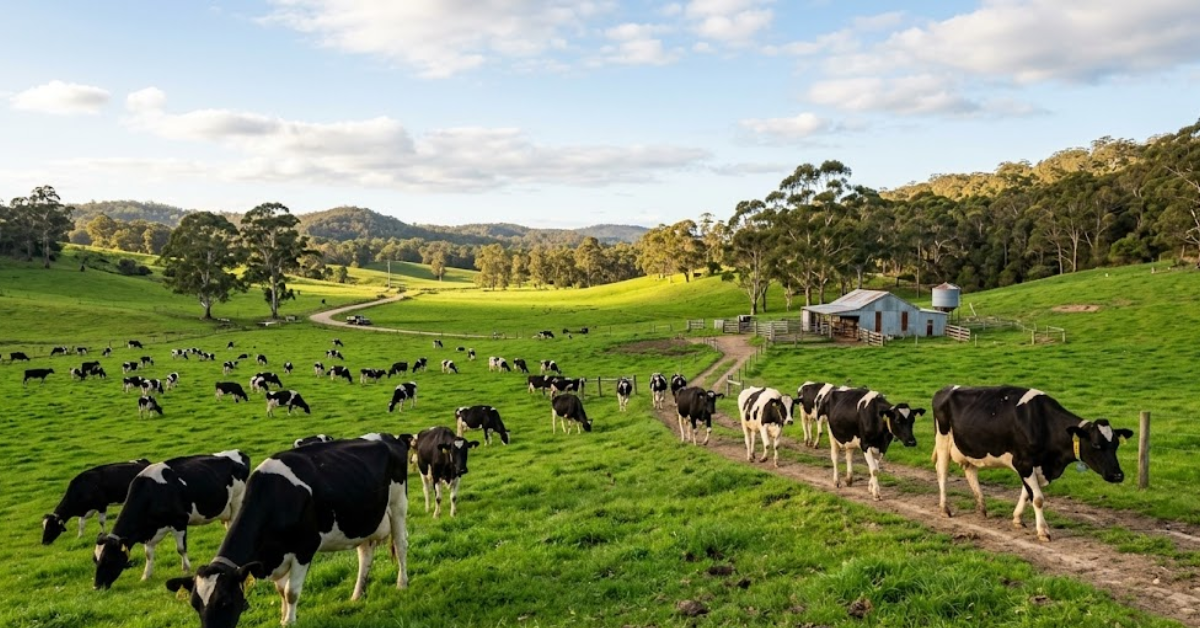
Regardless of whether you buy or lease, the key to making cattle finance work on a dairy farm is aligning your repayment structure with your seasonal income pattern. Here is how to approach it.
Map Your Income Cycle
Start by charting your monthly milk income over the past two to three seasons. Identify your peak months (typically September to November in most Australian dairy regions) and your lowest months (usually January to March and again in June to July). This gives you a realistic picture of when cash is available and when it is tight.
Match Repayments to Production
The most effective farming finance structures for dairy operations allow higher repayments during peak production and reduced payments during low production periods. This might look like seasonal repayment schedules, interest-only periods during your trough months or a flexible facility that lets you draw down and repay as income allows.
A flexible finance facility, like the kind outlined on the Livestock Capital cow finance page, gives you ongoing access to working capital rather than locking you into rigid monthly repayments that ignore your farm's natural income rhythm.
Build a Buffer for Low Production Months
Smart cash flow planning means setting aside a portion of your peak season income as a buffer. A common approach is to reserve 10 to 15 per cent of your spring flush income to cover finance repayments and operational costs during the leaner months.
This is where the structure of your finances for livestock matters. A facility that charges interest only on what you have drawn down, rather than the full approved amount, helps you manage costs more efficiently during quiet periods.
Signs Your Dairy Farm Needs Better Cattle Finance
Not every dairy farmer needs to change their finance approach. But there are clear indicators that your current setup may be holding your operation back.
- You have been delaying herd replacements or expansion because you cannot afford the upfront cost during low income months.
- Your current loan structure demands fixed monthly repayments that do not reflect your seasonal milk income.
- You are turning down opportunities to purchase quality genetics or proven milkers because approval from your lender takes too long.
- Your working capital is stretched thin every autumn and winter, leaving little room for unexpected costs like vet bills or equipment repairs.
- You have explored leasing but cannot find terms that align with your dairy operation's specific needs.
If two or more of these apply to your operation, it may be time to explore livestock loans in Australia that are designed specifically for cattle producers rather than generic business lending products. The
ABARES Snapshot of Australian Agriculture confirms that dairy farm incomes remain volatile season to season, which makes flexible finance structures even more important.
How Livestock Capital Supports Australian Dairy Farmers
Livestock Capital offers two practical solutions to help dairy farmers grow their operations without unnecessary financial strain: Cow Leasing and Cow Financing. Both options are built around flexible, transparent terms designed to help Australian farmers leverage equity in their livestock and scale their businesses efficiently.
Cow Leasing
Livestock Capital's cow leasing programme provides an adaptable solution for dairy farmers who want to grow their herd without the immediate financial burden of full ownership. Leasing lets you access top-quality dairy cattle while preserving your working capital for other operational needs like feed, infrastructure or seasonal expenses.
The process is straightforward and transparent, with minimal documentation required. There is no complex paperwork or drawn-out approval timeline. You get access to productive animals quickly so your farm keeps moving forward.
For dairy operations navigating tight cash flow periods or testing a larger herd size before committing to a full purchase, leasing offers a practical path to increased productivity and profitability without tying up capital. Contact Livestock Capital or apply now to start the quick approval process.
Cow Loan and Finance Options
Livestock Capital's cow finance solutions are designed to meet the unique needs of both starter and established dairy farms. Whether you are purchasing your first herd or expanding an existing operation, financing options include tailored plans for dairy cattle, competitive interest rates and flexible repayment terms that can be structured around your seasonal income cycle.
Transparency is central to how Livestock Capital operates. There are no hidden conditions or surprise reporting requirements. You get clear terms upfront so you can plan your cash flow with confidence.
With a quick 72-hour approval turnaround, you can access funds promptly when opportunities arise. That speed matters in dairy farming, where the right cows at the right time can make a measurable difference to your production output and long-term herd quality. Start the easy-to-secure financing application now to expand your herd.
Key Takeaways: Cattle Finance for Dairy Farms
- Align your finance repayment structure with your seasonal milk production cycle to avoid cash flow pressure during low-income months.
- Buying dairy cows builds long-term equity, while leasing preserves short-term cash flow. Choose based on your operation's growth stage and capital position.
- Map at least two to three years of monthly income data before committing to a repayment schedule.
- Look for flexible livestock loan structures that allow seasonal repayments or interest-only periods, not rigid fixed monthly amounts.
- Ask your finance provider whether they require per-head tracking and what reporting obligations come with the facility.
- Reserve 10 to 15 per cent of your peak season income as a buffer to cover financial commitments during quieter months.
Take the Next Step for Your Dairy Operation
The right cattle finance structure does more than fund a purchase. It supports the long-term health and growth of your entire dairy operation by keeping cash flow stable through the natural ups and downs of seasonal production.
Whether you are looking to expand your herd, upgrade genetics or simply manage your working capital more effectively, a livestock loan that fits your dairy farm's income cycle can make a real difference.
Contact Livestock Capital on 1300 980 548 to discuss your options, or apply directly through the cow finance page to get started.
For a broader overview of livestock finance options and how they fit into your farm's growth strategy,
visit Livestock Capital’s Cow Finance page.