The 5 New Rules of Modern Farm Management
Modern farming is moving away from just "growing more" toward "growing smarter." "Today, farming is about finding a balance between growing food and protecting nature. To stay successful, farmers have to keep up with what customers want and how the world market changes. Doing this doesn’t just help them make a profit, it ensures their land stays healthy and useful for years to come."
By focusing on smart management, farms can increase profits and protect the environment at the same time. This approach ensures long-term success for the next generation of agriculture.
The 3 Stages of Farm Innovation
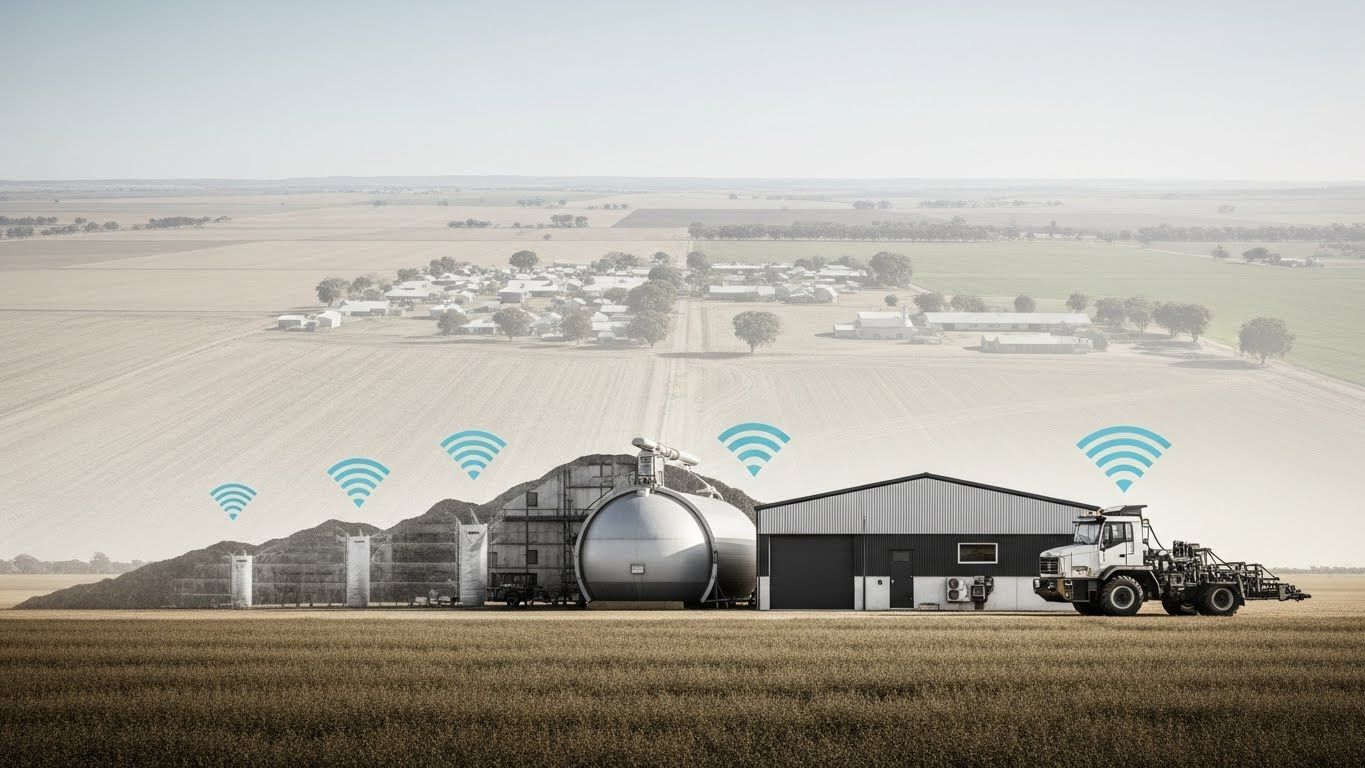
Agriculture has gone through some big changes. To get a clear picture of how things work today, it helps to break its history down into three main stages.
Phase 1: This stage was all about "Growing More." After the industrial boom, the only goal was to increase the amount of food produced using big machines and chemicals.
- Pros: It ended food shortages and made farming faster with machinery.
- Cons: It ignored soil health and led to land damage because of too many chemicals.
Phase 2: This stage moved the focus to "Saving Money." It was about making the farm a better business by cutting costs and competing in global markets.
- Pros: It made farms more profitable and improved business management.
- Cons: It focused so much on money that it ignored "hidden" problems like climate change and the loss of local wildlife (biodiversity).
Phase 3: This is a response to the "Triple Challenge": maximising productivity, hitting net-zero, and regenerating ecosystems. Following CSIRO’s Ag2050 Scenarios, this stage is vital to avoid industry stagnation and plateauing yields.
- Pros: It helps farmers get better prices for "green" products and restores the health of the land for future generations.
- Cons: It is more complex to manage and requires farmers to learn new technologies and data tracking.
The 5 New Rules of Farm Management
Smarter Farming with Modern Tools
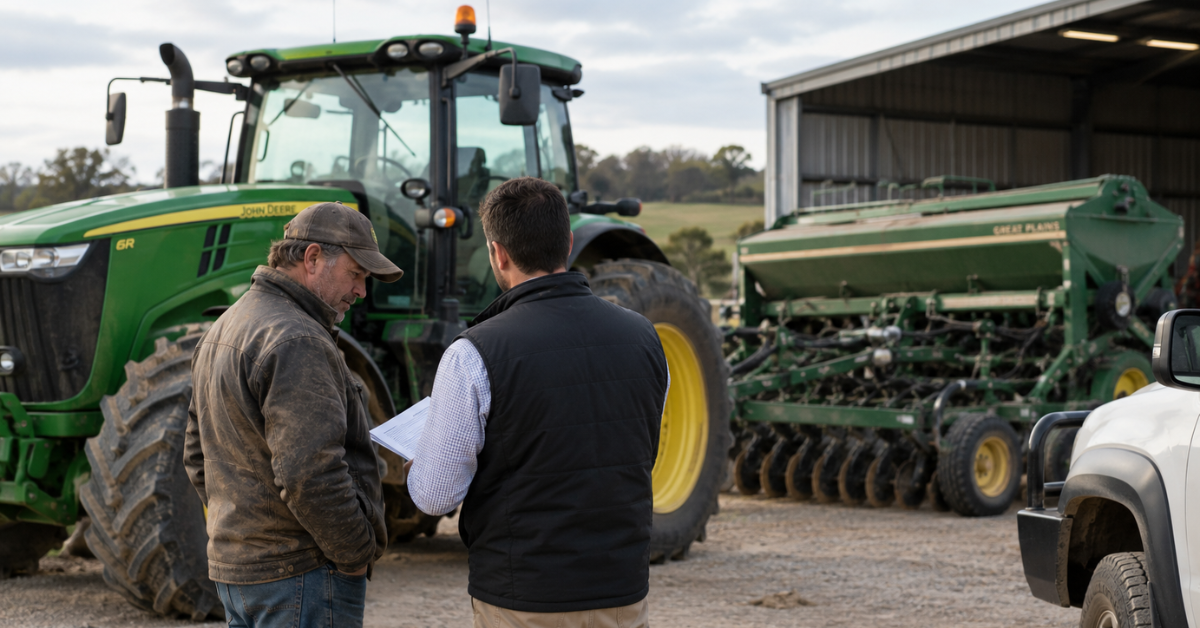
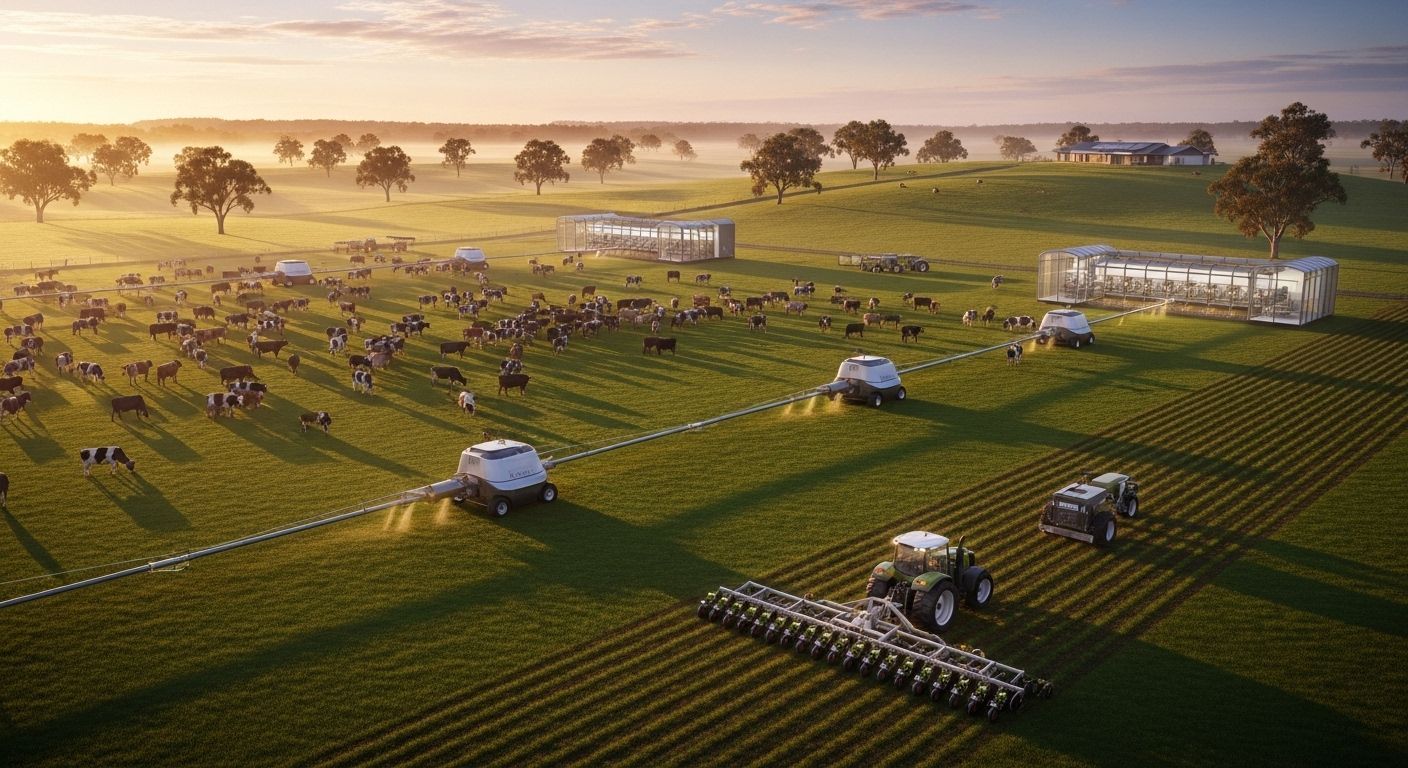
Modern farming is no longer about guesswork; it is about using precise data. Advanced Farm Equipment now comes equipped with sensors that monitor soil health and crop needs in real-time. This allows farmers to use fewer
Smart Resource Security
Water scarcity is a growing global challenge that requires a smarter approach. Temperatures in the Murray-Darling Basin have already risen by 1.4°C, making efficient agriculture water management and "Hydro-Resilience" essential. This protects the farm’s productivity even during unpredictable weather patterns.
Ethical Production Standards
Today’s consumers and the Australian Agricultural Sustainability Framework (AASF) demand responsible production. In Animal Farming, the focus has shifted toward high-welfare standards and sustainable nutrition to meet 19 national sustainability principles. Meeting these demands allows farmers to access premium markets and build long-term brand trust.
Digital Traceability
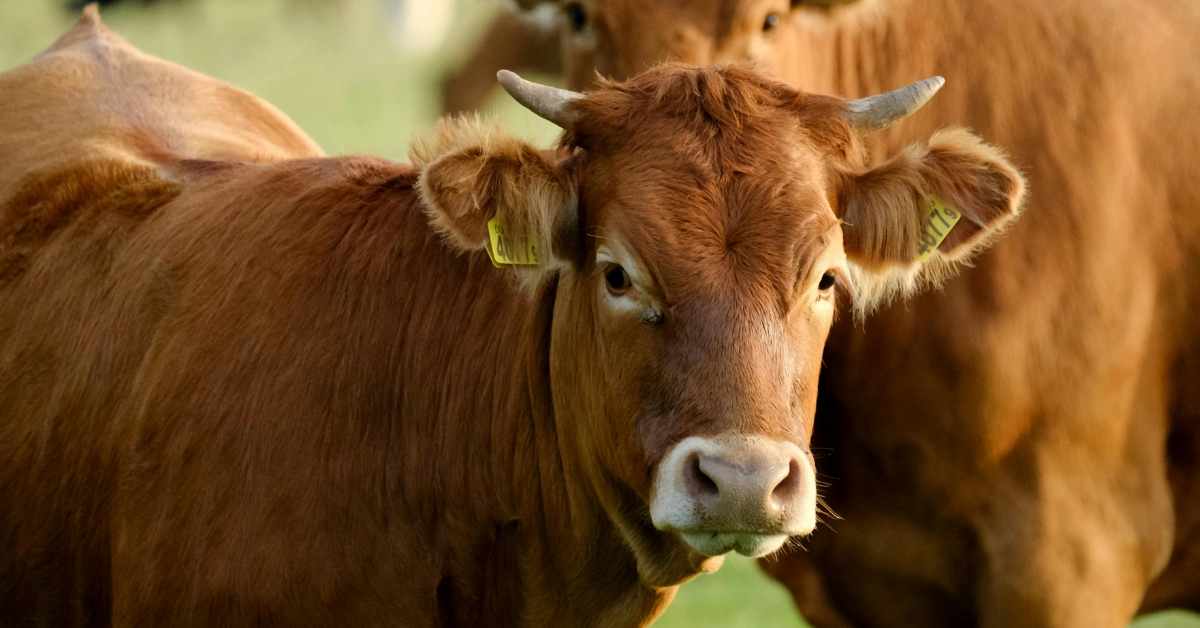
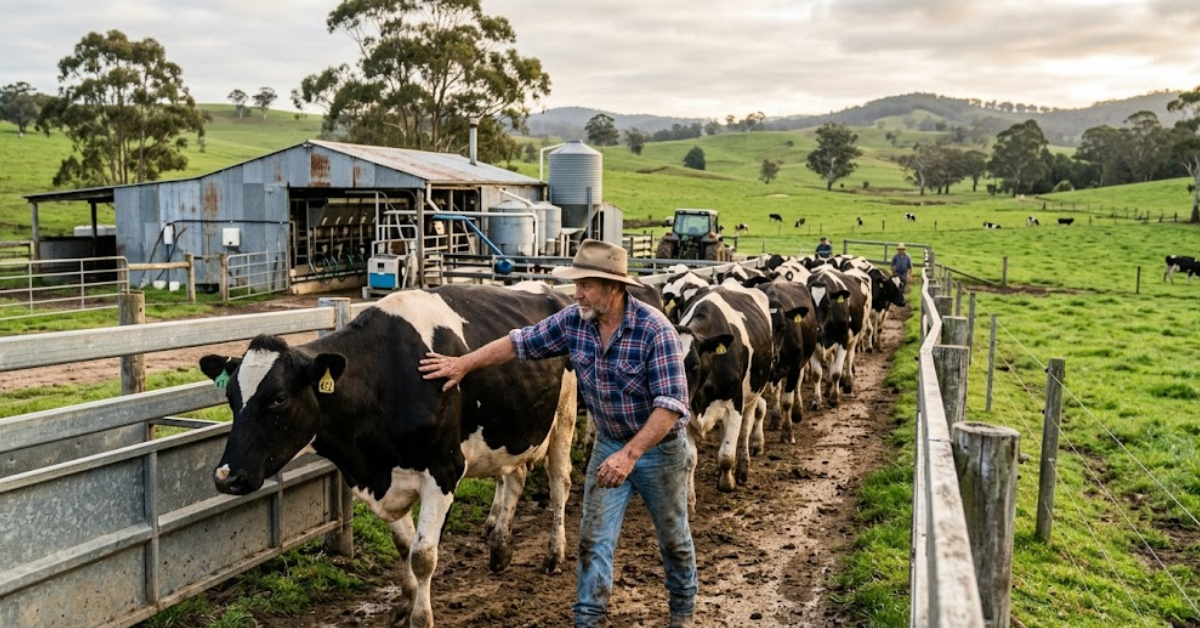
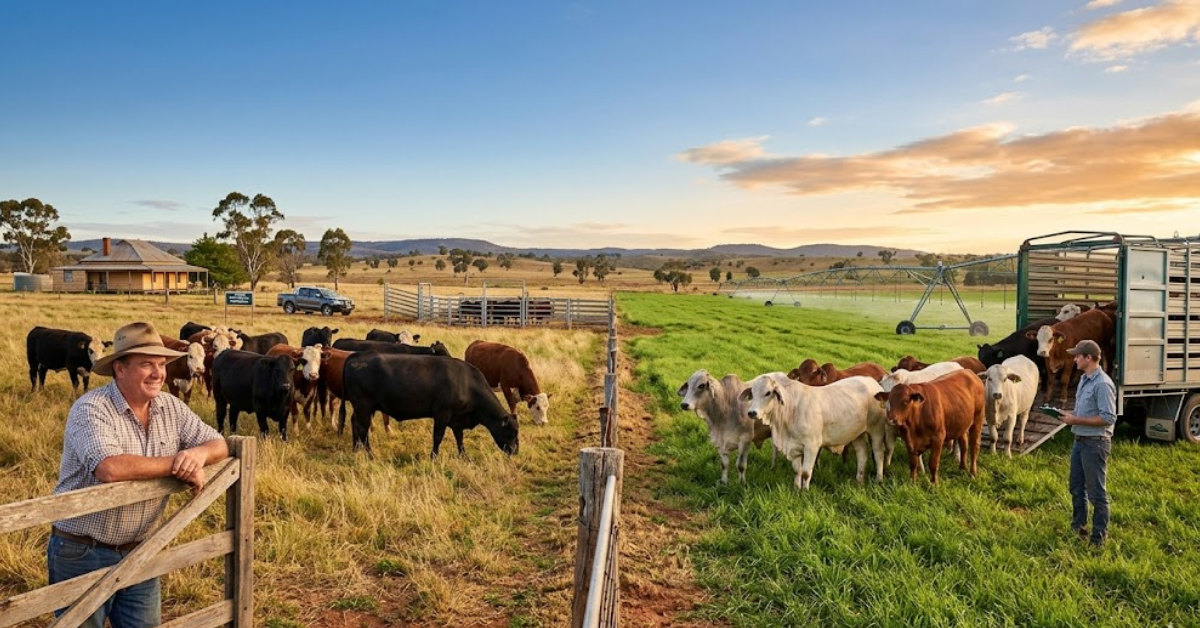
Transparency is the new "gold standard" in the global food supply chain. Professional Livestock Management now involves digital tracking of an animal’s health, growth, and history. This data-driven transparency makes the business more organised and much more attractive to international buyers.
Managing for Regeneration
Lastly, it’s about making the land healthier, not just working it harder. By bringing back nature and using programs like carbon credits (ACCUs), farmers can tackle several big problems at once. This ensures the farm stays in great shape for the kids or whoever takes over next.
The Role of the Modern Farm Manager
The job of a farm manager is no longer just about manual labour; it’s about making smart, high-level decisions. We’re seeing that sixty% of new roles in agriculture now require tech skills and a solid understanding of sustainability. To do well today, you need to be able to handle data, understand the science of the land, and use digital tools.
The best managers make sure their teams know how to use the latest gear and keep an eye on what’s happening in the world. Being prepared like this makes it much easier to handle unexpected weather or new government rules. Knowing your soil is still important, but you also have to be comfortable with the tech that helps you track it.
Finally, a modern manager acts as a bridge between the farm and the consumer. By maintaining high standards in Animal Farming and Livestock Management, they build the transparency that the modern world demands. This leadership is what ultimately turns a traditional farm into a future-proof business.
Also Read:
Everything You Need to Know About Agricultural Finance
Wrapping Up
Modern farm management is evolving into a balance of productivity and environmental care. With the new AASB S2 mandatory climate reporting, utilising a digital farm management system and farm record keeping is now a requirement for corporate supply chains. These tools ensure that farmland management remains profitable and compliant.
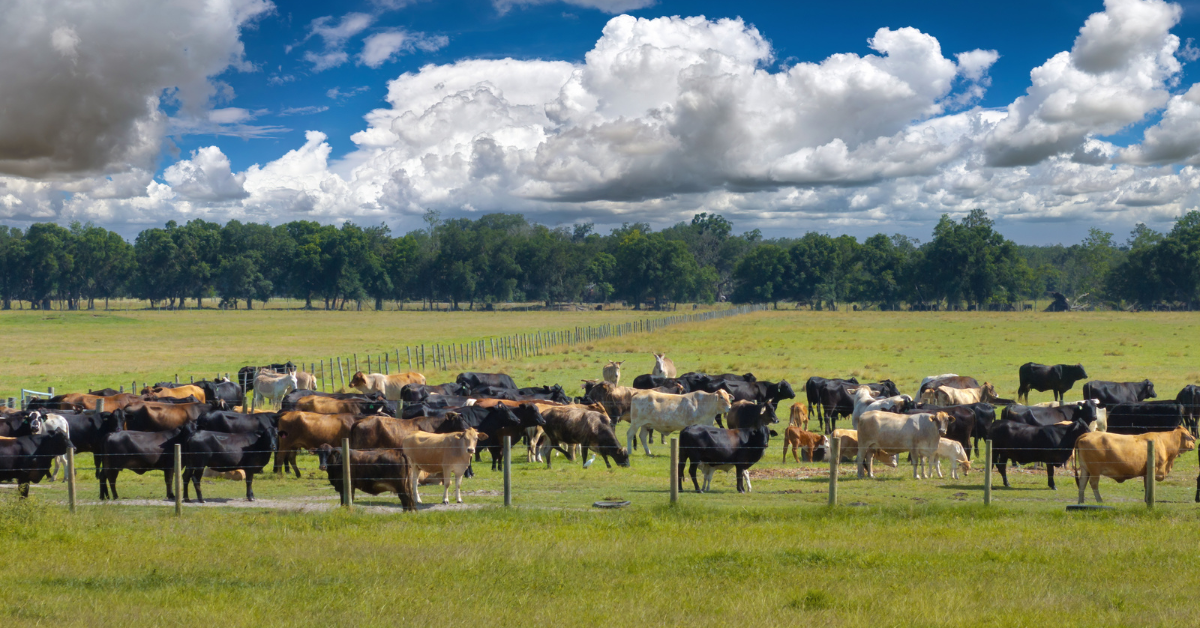
Long-term success also requires a focus on pasture management and effective livestock management. These sustainable practices make the business more resilient and simplify farm succession planning. Securing "Double Materiality" protecting both the environment and farm finances, is the new standard for success.
Livestock Capital supports this transition by offering flexible financing for land, cattle, and equipment. We simplify the financial side of farming so you can focus on meeting the standards of the third phase. Partner with us to grow your farm and lead the future of Australian agriculture.