How Agricultural Machinery Helps Farmers Save Time and Effort
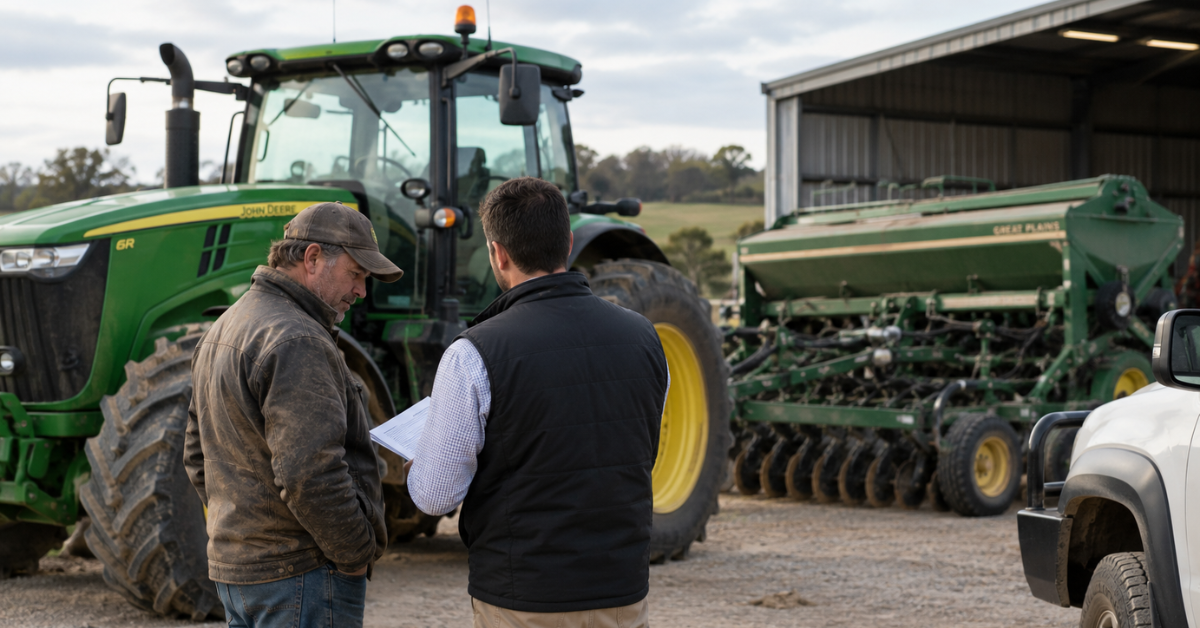
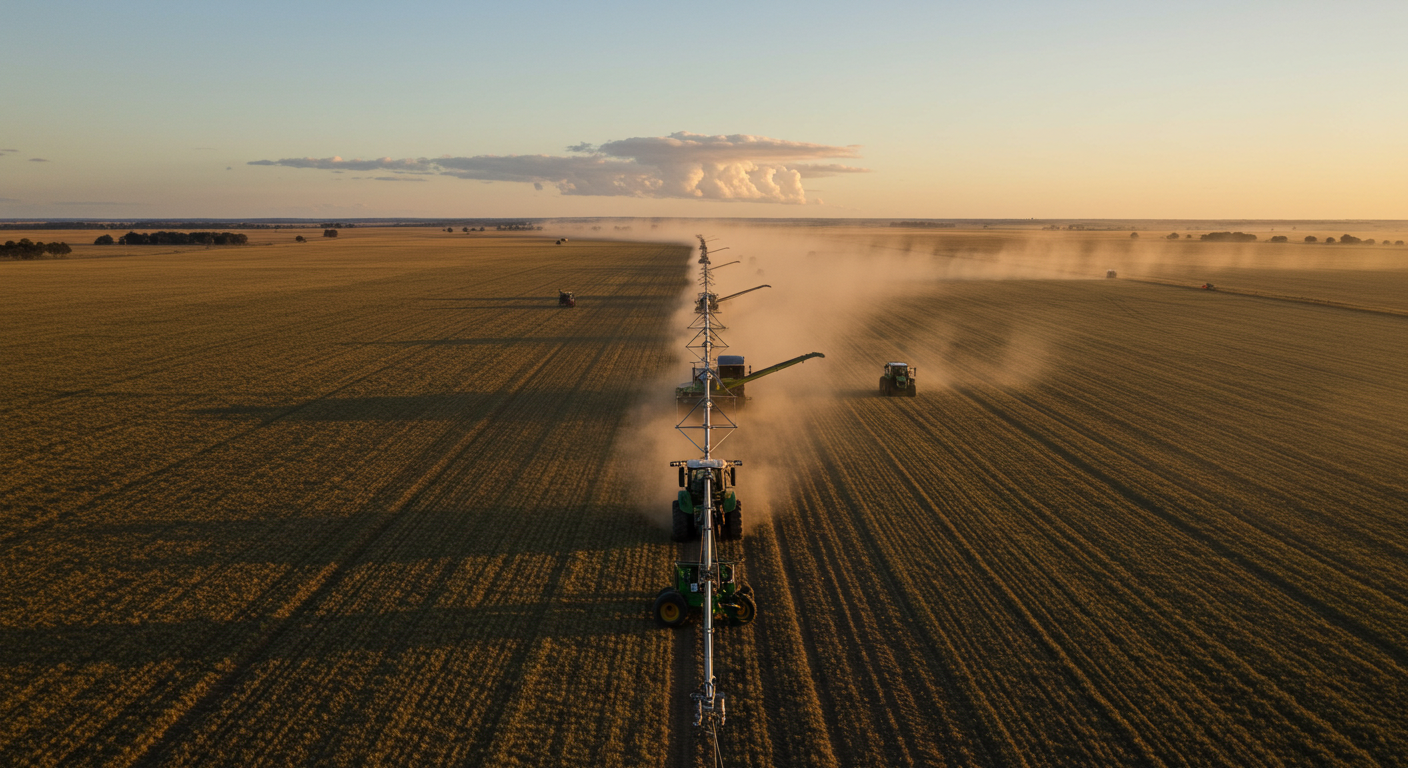
Farming was traditionally a fully manual process with workers handling every field job and livestock task the same way for generations. As fewer workers entered farming and livestock roles, hiring became challenging and day-to-day operations slowed. This shortage pushed farms to adopt agricultural equipment, machinery, and robotics that take over the demanding, time-consuming jobs.
Today, a wide range of agricultural machinery supports everything from livestock handling to field preparation, helping farmers work faster, safer and with greater accuracy. Around 40 percent of horticulture farms now use labour-saving machinery to reduce workload pressures. Livestock Capital explains these tools clearly so people in the field can understand how each machine works and why it matters for their daily operations.
The Rising Role of Machinery in Livestock
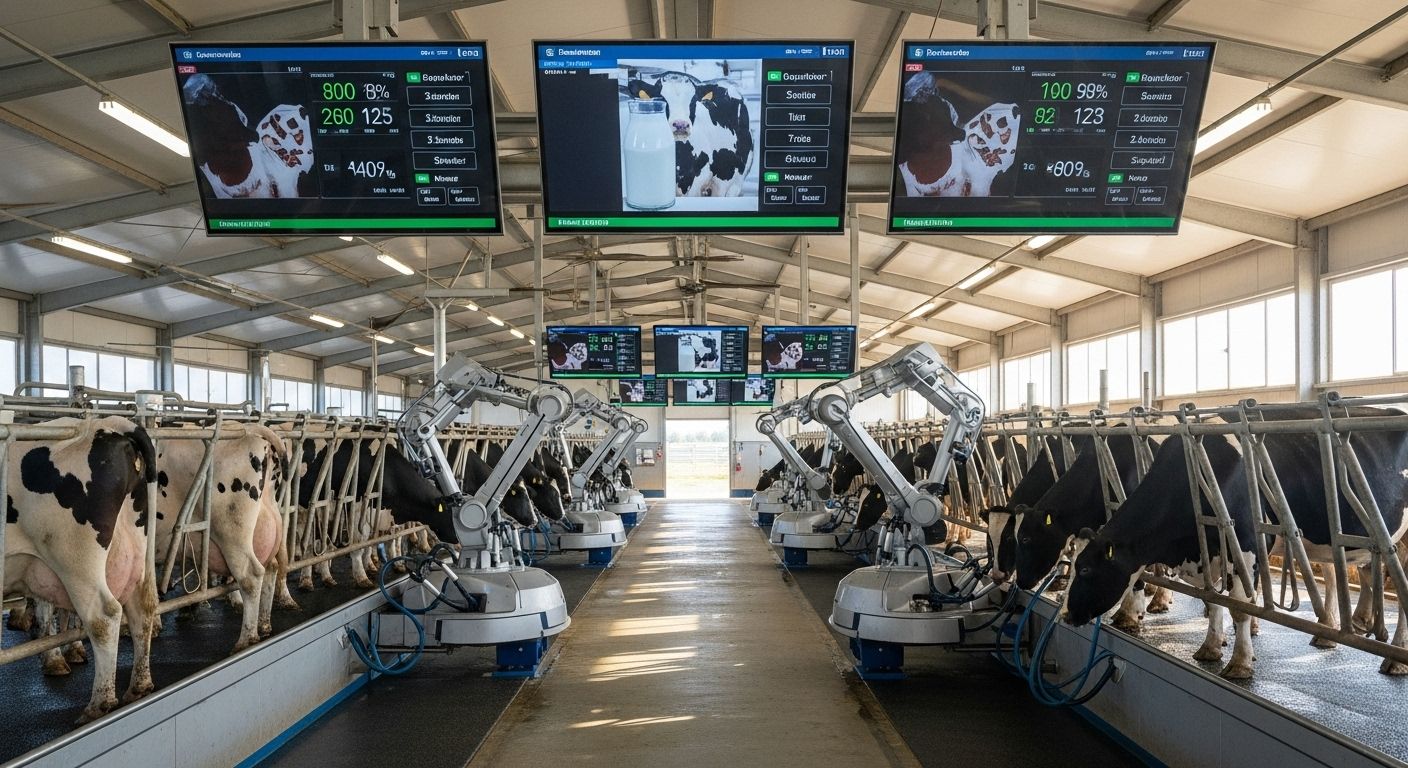
Modern machinery has moved past basic tools. Farms use automated feeders, robotic milkers, remote sensors, and GPS-guided equipment to reduce manual labour in livestock work.
- Equipment includes automated feeders, robotic milkers, remote sensing tools, and GPS-guided transport.
- Farmers have moved from manual work to machine-based processes.
- Machines handle calf feeding, virtual fencing, and hay loading.
- These machines cut daily labor hours.
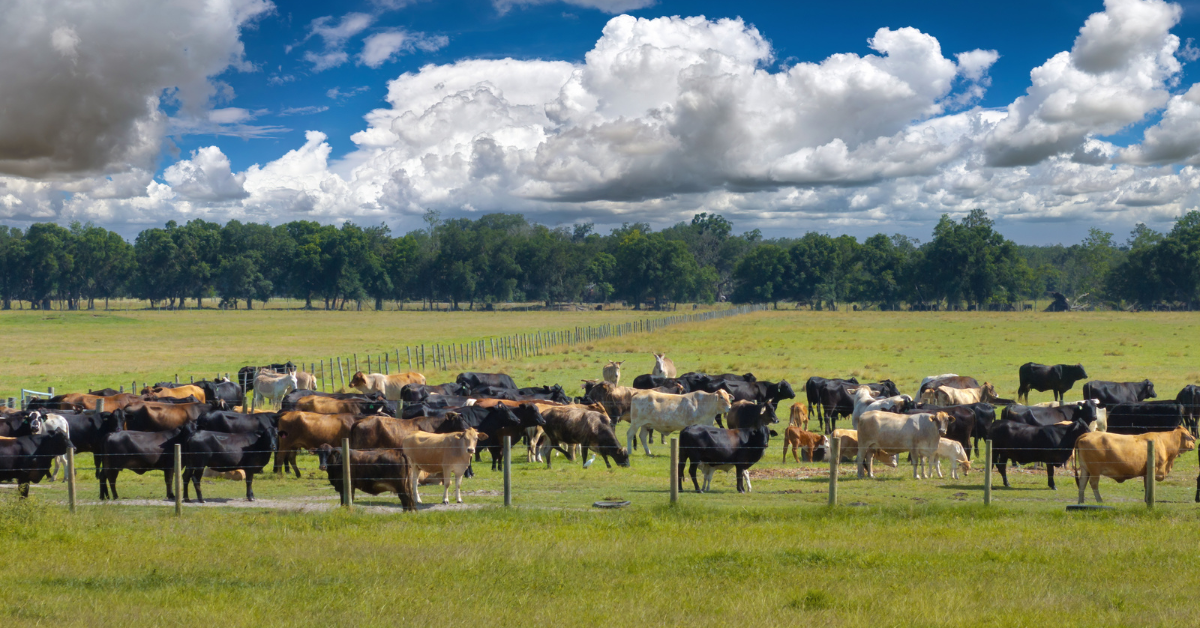
- Large cattle and sheep operations depend on advanced farming machine systems.
- Fewer workers mean farms rely on strong, multipurpose equipment.
- Bigger, more complex herds need time-saving, high-output agri machinery.
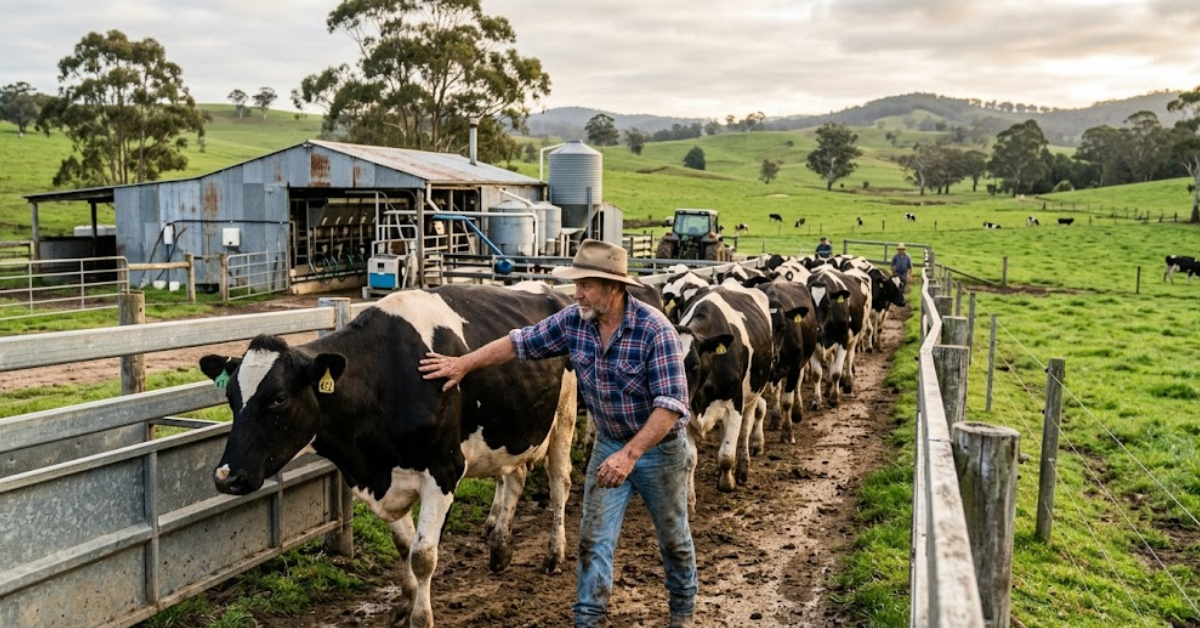
Milking Machines
This is paragraph text. Click it or hit the Manage Text button to change the font, color, size, format, and more. To set up site-wide paragraph and title styles, go to Site Theme.
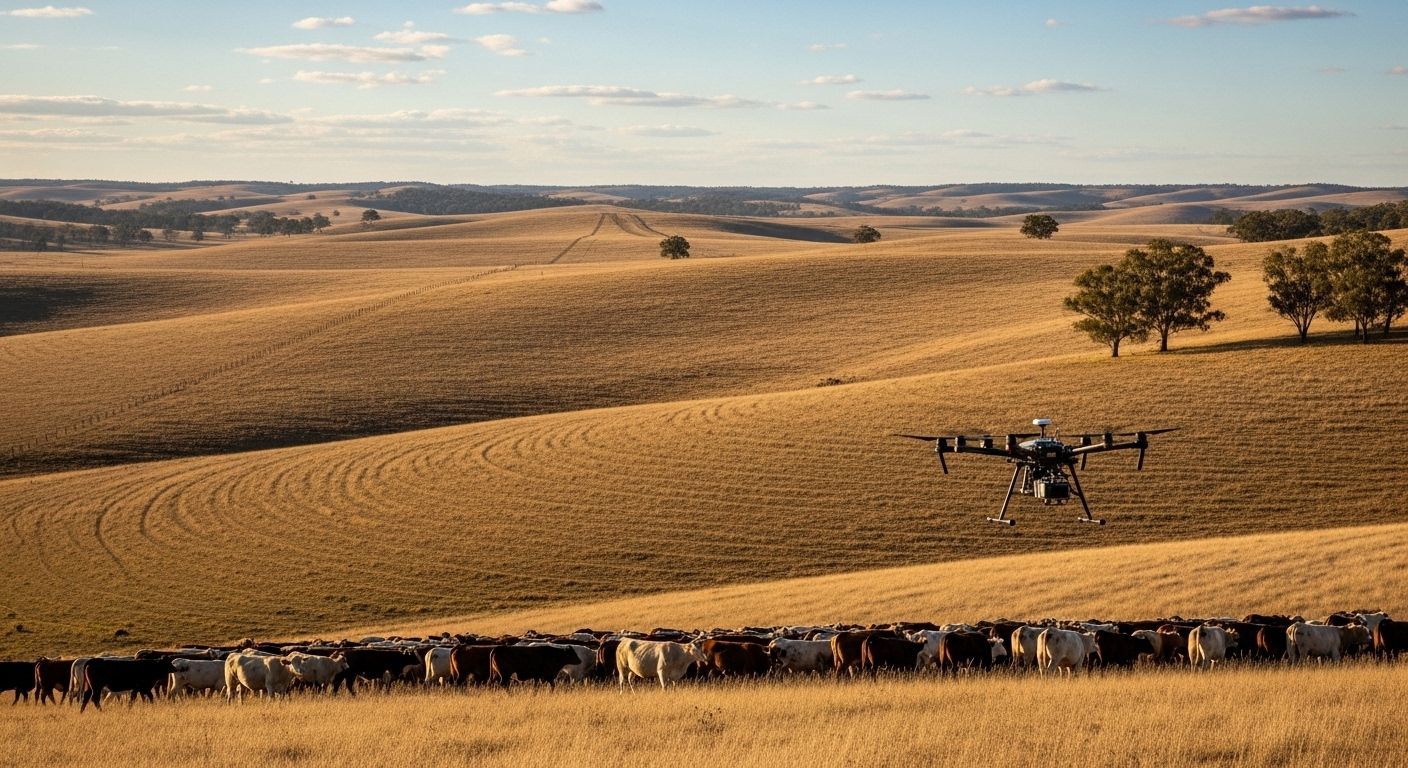
The smart technology integrated into the modern farm machines has completely transformed the management of livestock work. Farmers are being alerted whenever there is unusual behaviour through the use of sensors that are found in paddocks, water points and on animals collars. This not only eliminates the need for unnecessary travel but also saves hours of work on a large property.
Initially, drones were considered to be just an experimental tool but now they have become a vital part of the daily activities for mustering, checking fences and assessing pasture. Drones can cover the area in minutes while the long trips by bike or vehicle are eliminated. Virtual fencing using GPS collars allows farmers to control animal movement without physically erecting fences thereby cutting down the time consumed in mustering, yarding and maintenance of the fences.
Funding for Farm Equipment
Farm machinery is a significant cost, but various programs help reduce the financial load. Initiatives such as the On-Farm Connectivity Program and state AgTech grants provide support for investing in digital and autonomous equipment.
Safety rules have also shaped machinery design, including required rollover protection on quad bikes and rebates for safer livestock handling setups. These measures aim to cut injuries and encourage the shift toward equipment that reduces physical strain.
Through this support, the government recognises how crucial reliable machinery is for keeping rural work productive and safe.
Conclusion
Modern livestock work has changed. Machines now take care of feeding, monitoring, milking, waste handling, and daily tasks that once relied on long hours of physical effort. Tools like drones, virtual fencing, and automated systems help farmers save time, manage staff shortages, and keep herds in better condition. Safety rules and support programs have also encouraged the shift toward easier-to-run, safer equipment.
For many farms, this machinery plays a steady role in everyday work. It drives efficiency, eases pressure on staff, and keeps jobs running on time. If you’re looking into equipment finance or need advice on the right option, Livestock Capital is available to assist.